The hidden appeal Understanding the psychology behind gambling behavior
The Thrill of Uncertainty
The allure of gambling often stems from the excitement associated with uncertainty. When individuals place a bet, they tap into the inherent thrill of not knowing the outcome. This unpredictability can trigger adrenaline rushes, leading to heightened emotions and an intense sense of engagement. The anticipation of a potential win creates a psychological cocktail of excitement, fear, and hope that keeps players coming back for more. In light of this, it’s worth exploring leading options for instant withdrawals, such as https://emporgy.com/, to ensure your gaming experience is both thrilling and rewarding.

Furthermore, the possibility of winning big amplifies this experience. Many gamblers fantasize about hitting a jackpot, imagining how that event could change their lives. This dream of instant wealth fuels ongoing participation, making the games more alluring. The ‘what if’ scenario plays a significant role in the psyche of gamblers, compelling them to chase that elusive win.
Ultimately, the thrill of uncertainty functions as a double-edged sword. While it can create memorable experiences and moments of joy, it can also lead to compulsive behavior if left unchecked. Understanding this aspect of gambling behavior is crucial for both players and those aiming to provide responsible gaming environments.
The Role of Reward Mechanisms
Gambling operations are designed to tap into the brain’s reward systems, leveraging psychological principles such as variable reinforcement. This type of reinforcement is particularly potent because players never know when a win might occur. This uncertainty encourages repeated behavior, as individuals hope that their next play could yield favorable results. This creates a cycle where the brain becomes conditioned to associate gambling with potential rewards, reinforcing continued participation.
In addition to the potential monetary rewards, the social aspects of gambling also play a vital role in its appeal. Many people enjoy the social environment of casinos or online gaming platforms, where they can connect with others, share experiences, and celebrate wins together. This communal aspect enhances the overall experience, making it even more rewarding and enjoyable, thus fostering a deeper psychological connection to gambling.
Moreover, the anticipation that builds before a bet is placed can release dopamine in the brain, further heightening the pleasure associated with the activity. Understanding these reward mechanisms is essential for both gamblers and industry professionals to foster safe and enjoyable experiences.
The Escapism Factor
Gambling often serves as a form of escapism for many individuals. When life becomes overwhelming, some people find solace in the vibrant, fast-paced environment of a casino or the engaging interfaces of online gambling platforms. For them, gambling provides a temporary escape from reality, allowing them to immerse themselves in a world where they can forget their problems, even if just for a short while. This can be especially appealing during stressful times, as the excitement of gambling can momentarily replace feelings of anxiety or dissatisfaction.
However, relying on gambling as an escape can lead to dangerous patterns. The short-lived relief it provides can create a cycle where individuals feel compelled to gamble more frequently as a way to cope with life’s challenges. This behavior can quickly spiral out of control, leading to financial ruin and emotional distress. Recognizing this escapism aspect can help both players and professionals better understand the risks involved.
Moreover, the industry itself often capitalizes on this need for escape, creating environments that stimulate the senses and provide an illusion of safety and comfort. As a result, understanding the psychological motivations behind gambling behaviors is crucial for implementing responsible gaming practices and ensuring that individuals are aware of the fine line between enjoyment and addiction.
The Impact of Social Influences
Gambling behavior is often influenced by social circles and cultural factors. Peer pressure can play a substantial role in an individual’s decision to gamble, particularly among younger people who are more susceptible to societal expectations. The normalization of gambling in certain cultures or communities can further encourage participation, leading individuals to believe that it is a common and socially accepted activity. This social validation can amplify the enjoyment associated with gambling, making it even more appealing.
The availability of gambling platforms, both physical and digital, also affects social behavior. In recent years, online casinos have gained immense popularity, allowing friends and family to participate together from the comfort of their homes. This shared experience can reinforce the fun and excitement surrounding gambling, creating a sense of community and belonging. Yet, it can also lead to an increase in risky behavior, as individuals may feel less accountable when gambling from behind a screen.
Understanding the social dynamics at play can empower individuals to make more informed decisions about their gambling activities. It also highlights the importance of fostering environments where responsible gambling is encouraged and celebrated rather than stigmatized, allowing for healthier interactions with gambling as a form of entertainment.
Exploring Responsible Gambling Practices
As the appeal of gambling continues to grow, the importance of responsible gambling practices becomes paramount. Education is key to ensuring that individuals understand the potential risks associated with gambling behavior. Tools such as self-assessment quizzes, budget-setting guides, and access to support resources can help players stay in control. The goal is to create an environment where gambling is seen as a form of entertainment rather than a solution to financial or emotional problems.
In addition to individual responsibility, casinos and gambling platforms are increasingly taking proactive steps to promote safe gambling. By implementing measures such as deposit limits, time restrictions, and self-exclusion options, these establishments can play a vital role in fostering a responsible gaming culture. Collaborating with mental health professionals and advocacy groups can also enhance their efforts to educate the public about the potential dangers of gambling addiction.
The challenge lies in striking a balance between providing an enjoyable gambling experience and ensuring that players have the tools and knowledge to engage responsibly. An open dialogue about gambling behaviors and their psychological underpinnings can empower individuals to make healthier choices and enjoy gambling without jeopardizing their financial or emotional well-being.
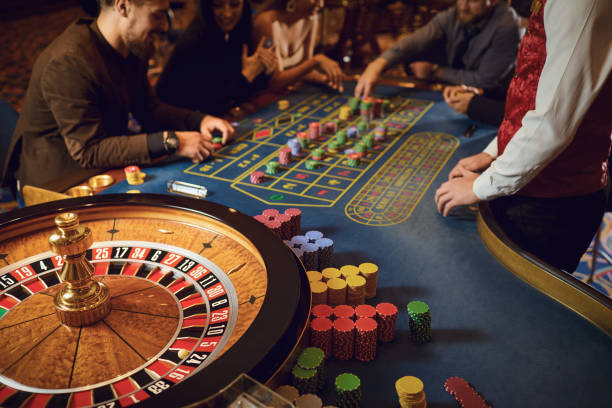
Finding the Right Gambling Environment
For those looking to engage in gambling, selecting the right platform is crucial. Various gambling environments offer distinct experiences and benefits, and finding one that aligns with personal values and preferences is essential. Platforms that prioritize responsible gambling, quick withdrawal methods, and secure payment options can enhance the overall experience while minimizing risks. This is especially true for those new to gambling, who may benefit from using reputable sites known for their commitment to player safety.
It’s also valuable to explore environments that promote a healthy gambling culture. Casinos that prioritize responsible gaming practices and provide educational resources demonstrate a commitment to their players’ well-being. This can create an atmosphere where individuals feel empowered to make informed choices while enjoying the excitement of gaming. Furthermore, forums and communities dedicated to discussing gambling experiences can offer insights and support, allowing new players to navigate the landscape more comfortably.
In conclusion, understanding the psychology behind gambling behavior can help individuals make informed decisions about their gaming experiences. By recognizing the influences of thrill, rewards, escapism, social factors, and responsible gambling practices, players can enjoy the hidden appeal of gambling while maintaining a healthy relationship with it. Finding the right gambling environment that aligns with personal values is the key to experiencing the excitement safely and responsibly.